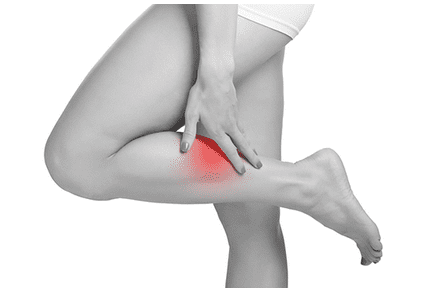


Muscle spasms and cramps occur when a muscle contracts involuntarily. These contractions are painful and can last until the muscle begins to relax. Muscle cramps and spasms can occur at any age and in healthy individuals, particularly after long periods of activity or when a person is dehydrated.
There are many causes of muscle cramps, the majority of which are not a cause for concern, including:
Getting adequate hydration, stretching, and slowly increasing the amount of exercise you receive can all help to decrease the chance of developing a cramp. Cramps and spasms may also be caused by a number of medical conditions:
Although they are painful, treating cramps and spasms can usually be done at home. Staying hydrated by drinking water can help to avoid and remedy cramps. Stretching prior to exercise can also reduce the likelihood of developing cramps. Muscle cramps that interrupt sleep or that do not respond to other methods may be treated with medication or more invasive methods.
Schedule an appointment today to begin the process of finding relief from muscle spasms and cramps. NY Neurology Associates’ team of Board Certified physicians is uniquely qualified to address and treat these issues.
Don’t let painful spasms or recurring muscle cramps keep you from living fully. Whether your symptoms are related to exercise, nerve compression, or other medical conditions, our specialists are here to help.
Contact NY Neurology Associates today to schedule your appointment and get lasting relief from muscle spasms and cramps.
Below are answers to some common questions about muscle spasms and cramps.
Muscle spasms and cramps occur when a muscle contracts involuntarily. These contractions are painful and can last until the muscle begins to relax.
There are many causes of muscle cramps, the majority of which are not a cause for concern, including dehydration, muscle strain, exertion, or being in one position for a long period of time.
Cramps and spasms may be caused by one of several medical conditions, such as blood supply issues, nerve issues, or nutritional issues.
Although they are painful, treating cramps and spasms can usually be done at home. Staying hydrated by drinking water can help to avoid and remedy cramps. Stretching prior to exercise can also reduce the likelihood of developing cramps.
Muscle cramps that interrupt sleep or that do not respond to other methods may be treated with medication or more invasive methods.
Testimonial
“Very friendly office staff and amazing experiences with the medical staff so far. Feel heard and cared for.“
– Christopher P.
Providers
Specialties
Related Blogs

A third of eligible migraine patients were not offered preventive therapy
Home The researchers stated that one of the major reasons for the low rate of
New NYNA Tourette Syndrome Study
Home Top Neurologist in NYC NY Neurology Associates are consistently ranked among the offices with
Seizures: Understanding and Overview
Home Seizures About 1 in 10 people may have a seizure in their lifetime. Learn
Feedback From our Patients
Choose your preferred location
