What Are the Causes of Jaw Pain?
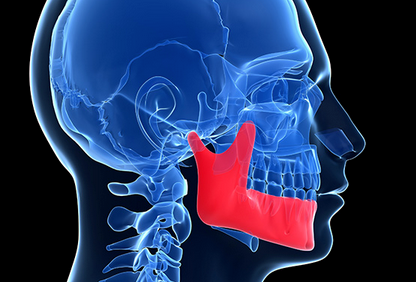
Jaw pain is usually caused by a temporomandibular disorder (TMD), a condition affecting the movement of the jaw. However, there are several other common causes of jaw pain. Below are some of the possible temporomandibular disorders and other conditions that can cause jaw pain.
Temporomandibular Joint (TMJ) Disorder (TMJ Disorder)
TMJ disorders affect the bones, muscles, and ligaments surrounding the jaw joint. They can also affect the nerves associated with chronic facial pain. You may feel tenderness in your jaw that feels like a toothache, headache, or earache.
The pain from TMJ disorders can be worse while eating. They may also cause limited jaw movement. In some cases, TMJ disorders can cause a stiff neck and shoulder pain that spreads down the arm.
Teeth Grinding (Bruxism)
Teeth grinding, or bruxism, is usually related to anxiety and stress. Other factors may include sleep apnea and genetics.
Teeth grinding usually causes pain in the jaw area, face, and neck, as well as headaches. You are also likely to have some dental problems, like fractures or worn-down teeth. In addition, teeth clenching and excessive gum chewing can cause muscle pain in your jaw.
Toothaches
You may experience jaw pain if you have dental problems. For example, a cracked tooth may cause a dull, intermittent pain that increases when biting or eating.
A cavity may also cause pain that is sensitive to hot or cold food. Other dental problems that may cause jaw pain include tooth abscesses and gum disease.
Infection
Ear and sinus infections are common causes of jaw pain. A sinus infection may cause a fever, headache, and nasal congestion. An ear infection could also cause hearing difficulties, vertigo, and nausea.
Trauma
Injuries to the face or jaw, including a dislocated or broken jaw, can cause severe pain.
Trigeminal Neuralgia
You can experience jaw pain if a blood vessel presses against the trigeminal nerve. This condition causes shooting pain up one side of your face.
What Are the Symptoms of Jaw Pain?
The symptoms of jaw pain will depend on the underlying cause of the pain. The symptoms of jaw pain may include the following:
- Facial pain that increases when you use your jaw
- Tenderness in the jaw joint and surrounding muscles
- A reduced range of motion in your jaw
- Your upper and lower teeth are out of alignment
- Popping or clicking sounds when opening or closing your jaw
- Ringing ears
- Earaches
- Toothaches
- Headaches
- Dizziness
- Jaw locking
- Vertigo
- Muscle tension around the jaw
- Nerve pain, which feels like a burning sensation
- Fever
- Swelling in your face
If you are concerned about pain in your jaw, you should see a doctor, dentist, or oral surgeon.
When to See a Doctor About Jaw Pain
Your doctor should be able to diagnose jaw pain, so it’s best to book an appointment if your pain continues for an extended period. Your healthcare provider can reveal the cause of your discomfort, as there could be several reasons for it.
In rare instances, jaw pain can be related to medical emergencies such as a heart attack. If you have persistent pain along with symptoms such as chest pain, trouble breathing, sweating, or dizziness, seek immediate medical attention.
Treatment Options for Jaw Pain
Specific medications can be prescribed to relieve jaw pain, depending on the cause. The following list provides treatment options for some of the most common causes of jaw pain.
- TMJ disorder: Non-steroidal anti-inflammatories and/or muscle relaxants like Botox can be used to treat TMJ disorders.
- Teeth grinding: Mouth guards can protect your teeth from grinding.
- Infection: Antibiotics are usually prescribed to treat infections.
- Trauma: Surgical and non-surgical options may be used to fix a broken or dislocated jaw.
- Trigeminal neuralgia: Anticonvulsants, such as Tegretol or Trileptal, can be used to treat trigeminal neuralgia.
Get Relief from Jaw Pain at NY Neurology Associates
At New York Neurology Associates, we are committed to helping you ease pain and restore proper jaw function. Whether you’re dealing with TMJ symptoms, jaw clicking, or ongoing facial pain, our doctors provide advanced treatment options tailored to your condition.
Don’t let jaw pain control your life. Schedule an appointment today at one of our New York offices and let our team help you find the relief you deserve.